Dallas grows by the week. New rooftops, restaurant patios, and parking decks press against creek corridors and pocket parks. The wildlife never left, it adapted. Raccoons learn the rhythm of trash day. Squirrels map attic gaps with the accuracy of a surveyor. Bats follow insect clouds up the Trinity River and find warm soffits. If you manage property in Dallas County or keep a home along White Rock Creek, you’ve likely dealt with a critter problem that didn’t fit the tidy script of traditional pest control.
Nuisance wildlife management in Dallas works best when it treats the source, not just the symptom. The difference between a short-term fix and a lasting solution often comes down to how well you read the site and how cleanly you marry removal with prevention. I’ve seen a squirrel problem vanish after a simple roof return repair, and I’ve seen the same home become a revolving door for trapped wildlife because the entry points stayed open. The stakes are not abstract. Chewed wiring sparks fires. Soiled insulation ruins indoor air quality. Bat guano can harbor histoplasma. A smart plan pairs humane pest wildlife removal with durable repairs and monitoring.
What Dallas Wildlife Really Wants
If you picture wildlife as trying to invade your space, flip the lens. Urban animals seek three things: reliable food, warm shelter, and a safe commute. Our neighborhood habits provide all three.
Trash set out the night before pickup feeds raccoons and opossums. Bird feeders and spilled seed fatten rat populations, which in turn draw snakes and larger predators. Water features, French drains, and even AC condensation lines add hydration to the mix. The shelter side is straightforward: aging soffits, lifted shingles, roof-to-wall gaps, gable vents with weak screens, and ground-level voids under stoops or decks. The safe commute is the overlooked piece. Dense shrubs pressed against siding, overhanging limbs onto the roof, and utility lines give animals covered routes with little risk.
When a wildlife trapper assesses a Dallas property, they’re really mapping that triangle. Close two of the three sides and the attraction drops. That’s the heart of effective pest abatement for urban wildlife.
Why a Wildlife Pest Control Service Isn’t the Same as General Pest Control
Traditional pest control focuses on insects and rodents, leaning on chemical treatments, bait stations, and routine service cycles. Wildlife work is architectural, behavioral, and legal. A professional wildlife removal service needs to:
- Identify species precisely, then tailor strategy to seasons, behavior, and state regulations. Combine hands-on removal with a wildlife exclusion service that seals entry points and hardens vulnerabilities.
With raccoons, a baited trap may catch the wrong animal if you haven’t confirmed sign and entry routes. With bats, lethal control is both unethical and illegal, and exclusion must happen outside maternity season to avoid trapping pups inside. Squirrels will chew through the wrong screen or foam patch like it’s a snack. The tool belt looks different: rigid metal flashing, hardware cloth in the right gauge, one-way doors sized to species, sealants that hold up to UV and Texas heat, and ladders that reach steep rooflines safely. The job’s success depends more on carpentry and biology than on chemicals.
Dallas Conditions That Shape Wildlife Behavior
Local context matters, especially in Dallas where neighborhoods vary block by block.
Heat and drought push animals toward irrigated landscaping, backyard pools, and shaded attics. After heavy spring storms, displaced animals search for dry, high shelter. New construction can squeeze a long-established raccoon family out of a wooded lot and into nearby roofs. Greenbelts like White Rock Lake, the Katy Trail, and the Trinity corridor act as highways, moving populations deeper into residential areas. You see raccoons along creek lines first, then a few weeks later find torn attic vents in adjacent streets.
Roof design plays a role. Complex rooflines with multiple returns, dormers, and intersecting planes create seams, and seams are opportunities. In neighborhoods with large live oaks, limbs overhang roofs and give squirrels an easy bridge. In older homes, expanded soffit vents and gable louver gaps make bat access simple. Condos and townhomes bring shared walls and commons areas where a single open chase can service a suite of units for bats or birds.
Understanding these patterns lets a wildlife control Dallas provider tailor strategy. You don’t fight the whole city. You solve the ecology of your block.
Common Offenders and How Pros Handle Them
Every species asks for a slightly different playbook. These are the cases Dallas technicians see most.
Raccoon removal
Typical signs: heavy footfall at night, torn soffits, overturned trash lids, a musky odor in the attic, and latrine sites on flat roofs or in shallow attic corners. In winter and early spring, females den for kits. That timing matters.
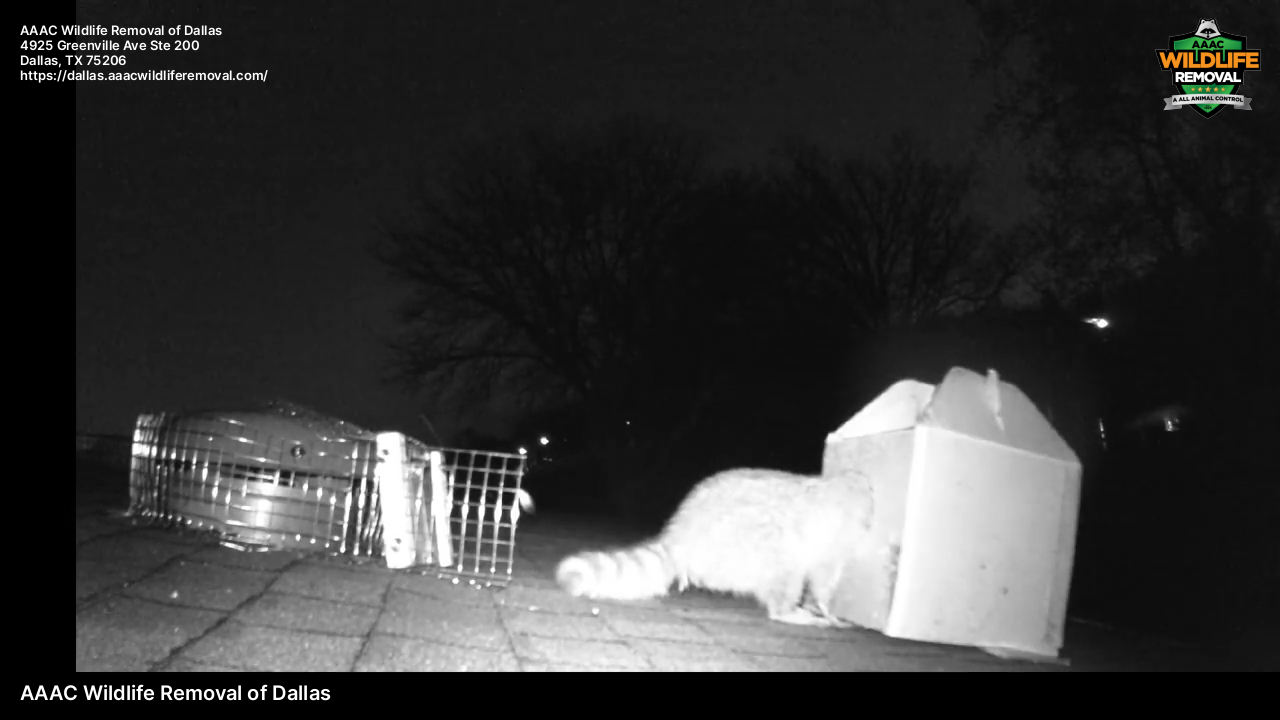
Pros confirm raccoon presence with thermal cameras or attic inspection for large droppings, hand prints in dust, and insulation trails. If the den includes kits, the humane approach is a hands-on removal or a reunion method: move the kits to a heated reunion box outside the entry point and encourage the mother to relocate them to an alternate den. If no kits are present, a one-way door sized for raccoons can work when paired with a tight perimeter seal. Live trapping is sometimes used, but it must follow Texas Parks and Wildlife regulations, and relocation is restricted for disease control reasons. Disposition typically means release on-site after exclusion or transport for humane euthanasia depending on law and agency guidance. A good operator will explain those limits up front and document the plan.
The fix rarely ends with removal. Raccoons return if the entry remains attractive. Metal flashing over roof returns, reinforced soffit edges, and secured trash routines matter. If a client doesn’t change trash storage, raccoons treat each trap as a toll booth, not a warning.
Squirrel removal
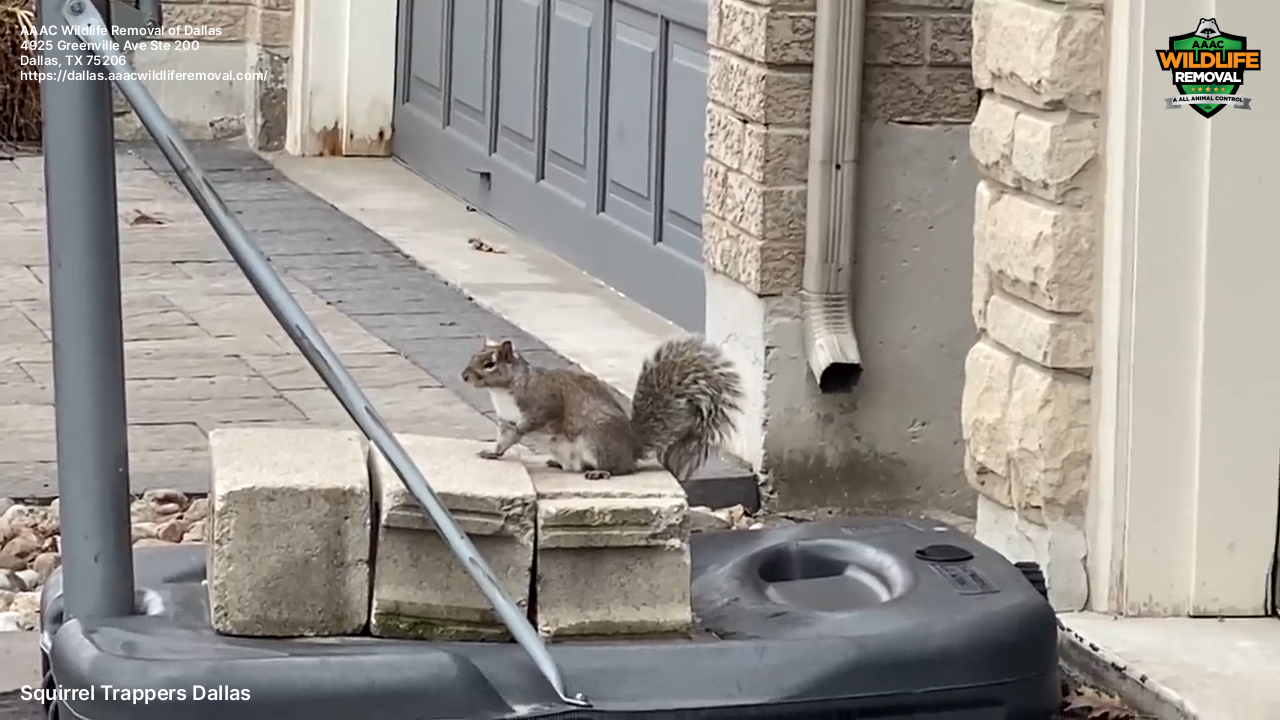
Fox squirrels and gray squirrels don’t respect foam, plastic vent caps, or weak aluminum screens. They start with exploratory gnawing, then carve a clean hole 2 to 3 inches wide, usually near roof edges or behind gutters where soffit plywood meets fascia. Chewed wiring is a real hazard, as is urine-soaked insulation.
With squirrels, trapping alone becomes a treadmill. The better approach is full exclusion around the roofline with attention to active holes. One-way doors at those holes let residents exit in daylight. Before installing any door, a pro checks for juveniles during spring and late summer litters. If young are present, timed removal or a short delay avoids mortality and dead animal odors. Once the house is quiet for 48 hours, the operator removes doors and permanently seals openings with sheet metal and exterior sealant. If trees overhang within a few feet, trimming back to create a 6 to 8 foot gap makes a difference. It’s not a force field, but it interrupts the freeway.
Bat removal
Dallas hosts several bat species, and many roost seasonally in buildings. People often notice squeaking at dusk, smudges near a small gap, or peppery droppings below a fascia or gable vent. Bats eat mosquitoes and other insects, which is valuable for the city, so good nuisance wildlife management respects that role while protecting homes.
Bat exclusion relies on timing. Texas has a bat maternity season, typically from about April through early August, when pups cannot fly. Ethical and legal practice avoids full exclusion during that window, because sealing exits traps non-volant young. The standard process involves sealing 90 to 95 percent of the building exterior first, leaving known bat exits open. Install one-way valves or tubes at those exits when legal to do so, wait for several clear nights of flight, then remove devices and close the final holes. Guano cleanup follows with proper protective equipment and HEPA filtration to avoid aerosolizing spores. On larger buildings, a phased plan may stretch over weeks. A bat removal done wrong turns into a smell complaint and a public health problem. Done right, it’s quiet and permanent.
Skunks, opossums, and armadillos
Ground-dwellers thrive in Dallas’ irrigated beds. Skunks dig for grubs and den under decks or slabs. Opossums wander fences and settle in low voids. Armadillos root like a tiller. The playbook here focuses on habitat changes and exclusion: screening decks with buried hardware cloth, tightening shed bases, and reducing grub loads with lawn management. Trapping can remove individual problem animals, but if the void stays open, a new tenant arrives.
Rats, mice, and the hybrid problem
People draw a bright line between rodent control and wildlife, but the site work overlaps. Rat runs along fence tops and ivy lead to the same roof gaps used by squirrels. If a wildlife trapper ignores rodent sign, the fix is incomplete. A good wildlife exclusion service anticipates both sizes and seals accordingly, then coordinates with pest control for interior population knockdown if needed.
The Local Law and Ethics You Should Expect
Texas Parks and Wildlife sets standards for handling native wildlife, and municipalities add their own rules. Wildlife operators should hold the appropriate state permits, carry liability insurance, and follow Dallas city ordinances. Ask for documentation. Raccoons and skunks are rabies vector species, which changes how they can be transported. Bats carry a low but serious rabies risk; any potential human contact triggers public health protocols. A reputable wildlife removal service will err on the side of caution and transparency. If an operator promises relocation far away for every animal, that is a red flag. In many cases, translocation is restricted to protect ecosystems and limit disease spread.
Stress matters for animals and for your outcome. Tightly staging the work to reduce time in traps, shading traps in summer heat, and using appropriately sized equipment are small signals that you hired a professional, not a hobbyist.
What a Thorough Inspection Looks Like
When I arrive on a Dallas job, I spend the first 20 to 40 minutes just observing. No traps, no rush. I watch roof edges for traffic, scan soil for tracks, and smell the attic air before stepping inside. An inspection worth paying for includes:
- Attic interior review for sign, droppings size and shape, trails in insulation, and moisture staining. Exterior envelope pass at eye level, then from a ladder, checking soffits, returns, chimney caps, roof penetrations, gable vents, attic fans, weep holes, and where utilities enter. Landscape assessment for low voids, decks, sheds, vegetation contact, and access routes like branches and fences.
Photographs and short video clips help clients see what I see. The report should separate confirmed entry points from vulnerabilities, then prioritize in phases if budget demands. That clarity prevents scope creep and gives you a map to work from.
The Right Order of Operations
People often jump straight to trapping because it feels active. In most cases, the order should be:
- Confirm species and whether young are present. That determines timing and tools. Pre-seal all but the active holes. This steers animals toward your one-way devices or targeted traps. Install one-way doors where appropriate, or set species-specific traps at active entries. Avoid baiting that lures in new animals. Verify vacancy. Use site checks at dawn and dusk, listen in the attic, and dust test holes for new rub. Permanent seal with durable materials, then repair and sanitize interior spaces as needed.
If you invert that sequence and start with baited traps before pre-sealing, you risk catching non-targets and teaching the target animal to avoid your hardware.
Materials That Hold Up in Dallas
I’ve seen foam stuffed into a squirrel hole last less than an hour. Material choice separates a quick patch from a real fix.
For soffit and fascia repairs, 26 to 28 gauge painted steel flashing beats thin aluminum in chew resistance. Use hardware cloth with 16 gauge wire and quarter-inch openings for vents and decks. For bat exclusion, flexible UV-stable sealants and backer rod deliver clean lines after devices come off. Chimneys deserve proper caps with welded wire screens, not decorative cages that leave gaps. Gable vents need rigid metal screen layered behind louver slats, not just surface mesh animals can pry. At ground level, bury screens at least 8 to 12 inches deep with an outward L-shaped apron to thwart diggers like skunks and armadillos. Dallas sun cooks cheap plastics. If a product gets brittle in one summer, it’s not worth your money.
What Homeowners Can Do Before the Pro Arrives
You don’t need a truck full of tools to make a difference. Small habits change the calculus for wildlife.
- Set trash out the morning of pickup, not the night before. Use bins with tight lids and strap them if raccoons have learned your street. Trim tree limbs back from the roof to break easy pathways. Aim for daylight between canopy and shingles. Pull mulch away from siding and reduce dense vegetation that touches the house. Create a small inspection gap. Keep pet food indoors and clean under bird feeders. If you love feeding songbirds, use baffles and trays to catch seed. Check attic access and insulation conditions twice a year. Spotting droppings early is cheaper than replacing a ruined attic.
These steps won’t replace a wildlife trapper when you already have tenants, but they set you up for faster, cleaner work and fewer surprises.
Commercial Properties, HOA Communities, and the Shared-Impact Problem
Multi-unit buildings and neighborhood associations face a different challenge. One owner’s unsecured dumpster feeds the entire block’s raccoon population. An open chase in a row of townhomes becomes a bat thoroughfare. Here, nuisance wildlife management becomes a policy conversation. Enforce lid rules on waste enclosures. Budget for annual building envelope checks, not just reactive repairs. Coordinate tree trimming schedules. Since costs can be shared, invest in better materials. I’ve watched https://writeablog.net/godiedvydn/child-and-pet-safe-wildlife-control-methods an HOA spend three years playing whack-a-mole with piecemeal squirrel jobs, only to fix the problem in one season with a comprehensive roofline exclusion across 14 units. The per-door cost dropped by half compared to the prior patchwork.
The Costs, Straight Talk
People ask for a price over the phone. It’s hard to answer without eyes on the property, but ranges can help you plan. A simple one-way squirrel exclusion with two or three entry points and limited sealing can run a few hundred to low four figures, especially on single-story homes. Raccoon den removals with kits and attic sanitation push higher. Bat projects vary widely based on building size and access but often start in the middle four figures for a full seal and exclusion on a typical home. Add to that any interior work: insulation removal, odor control, and disinfecting. If you see a number far below these bands, check the scope carefully. Low bids often skip the pre-seal and permanent repairs, which means you’ll pay again.
Warranties matter. A solid wildlife removal service offers a written warranty on exclusion work for one to three years, sometimes longer if the entire envelope was sealed and conditions remain the same. Read the fine print. If you later cut a new vent or add cable lines without sealing around them, the warranty may not apply.
Avoiding Common Mistakes
I’ve walked into plenty of preventable messes. A few patterns repeat.
Homeowners sometimes close the only active hole after a nighttime scratching scare. Trapped animals tear a new exit through drywall or wiring. If you must do a temporary patch before help arrives, choose a one-way approach, not a full block, and verify no dependent young are inside during breeding seasons. Another misstep is reliance on repellents. Most sprays and granules provide marginal, short-lived relief at best, and some create a false sense of security that delays real fixes. For bats in particular, ultrasonic gadgets and bright light gimmicks waste money. For squirrels, expanding foam is a snack, not a barrier. For raccoons, loose wire mesh zip-tied over a hole will be peeled back like a can lid.
On the contractor side, rushing to trap without identifying kits generates dead-animal calls a week later. Using undersized screens or cheap caps leads to callbacks. Ignoring landscape routes sets the stage for re-entry. If a provider doesn’t discuss both removal and exclusion, keep looking.
Humane Work Is Practical Work
People sometimes think humane means less effective. In wildlife control, the opposite is often true. Methods that respect animal behavior tend to steer them cleanly off the property with less stress and fewer messes. One-way devices, hands-on reunions with denning mothers, and smart timing reduce the odds of wall deaths and attic rot. Humane also means realistic. Not every species can be relocated, and not every situation allows a perfect outcome. The point is to design the plan around biology, not despite it.
How to Choose a Wildlife Trapper in Dallas
You have choices, and the right one saves you money and frustration. Ask a few direct questions.
- Do you perform full exclusion or just trapping, and what materials do you use? How do you handle bat maternity season and denning raccoons or squirrels with young? What does your warranty cover, and for how long? Will you provide photos of entry points and repairs? Are you permitted and insured, and do you follow Texas Parks and Wildlife regulations?
The answers paint a clear picture. A seasoned wildlife trapper talks more about sealing, device placement, and timing than about bait blends. They’ll also talk about you, your routines, and your property goals. Good nuisance wildlife management is collaborative.
Aftercare: Sanitation, Repairs, and Monitoring
Getting animals out is step one. Making the space healthy again is step two. Attic sanitation might include removing heavily soiled insulation, spot-treating with enzyme-based cleaners, and improving ventilation. On raccoon latrines, I prefer careful removal of contaminated material and targeted disinfection rather than fogging everything. For bat guano, PPE is non-negotiable, and negative air machines protect your living spaces during cleanup.
Repairs should blend with the home. Painted flashing to match trim, hidden fasteners where possible, and neat sealant lines preserve curb appeal. Documenting the work matters for future sale disclosures and for your own maintenance. A quick calendar reminder to reinspect vulnerable areas each spring and fall catches small issues before they grow. A five-minute roofline scan after a hailstorm is worth its weight in avoided headaches.
The Big Picture: Prevention Is Cheaper Than Eviction
Dallas will always have wildlife. That’s part of living in a city stitched with creeks and trees. The goal isn’t to sterilize the outdoors, it’s to draw a clean boundary around your building. The durable solution combines three habits: manage attractants, harden the structure, and respond quickly when sign appears. A good wildlife removal service helps you do all three and leaves you with fewer surprises.
If your attic sounds like a bowling alley at 2 a.m., or your patio smells not quite right after dusk, act sooner rather than later. Each day animals spend inside increases damage and complicates removal. The best calls I get are the ones before a crisis, from homeowners who want a wildlife exclusion service to preempt the season’s pressures. That’s smart pest wildlife removal: less drama, more control, and a house that stays yours, even when Dallas’ wild neighbors get curious.